

Let’s be honest for a second. A patient with sudden tooth pain is unlikely to browse ten dental websites calmly. They open Google, search “dentist near me” or “emergency dentist near me”, compare two or three clinics on Maps, read reviews, check timings and call the practice that looks most trustworthy.
ClinicSpots Digital Services is a healthcare digital marketing agency that helps doctors, clinics and hospitals improve patient visibility through SEO, local search, content and performance marketing.
This is why local SEO for dentists matters so much. It is not simply about ranking a blog post or adding a few keywords to a service page. It is about making sure your dental practice appears at the exact moment nearby patients are ready to take action. For most dental clinics, that action is a call, a direction request, a website visit or an appointment enquiry.
In this guide, we’ll break down what local SEO for dentists means, how Google Maps rankings work, what dentists need to optimise, which mistakes to avoid and how ClinicSpots Digital Services applies similar local SEO principles for dental and healthcare clients.
Key Takeaways
- Local SEO helps dentists attract nearby patients who are searching with high intent.
- Google Business Profile optimisation, reviews and local citations are central to dentist local SEO.
- Treatment-specific pages and local content help dentists rank for service and location searches.
- Technical SEO, mobile usability and clear booking paths improve both rankings and conversions.
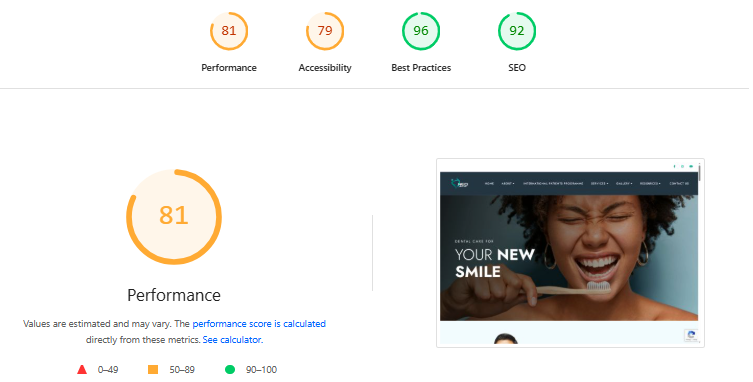
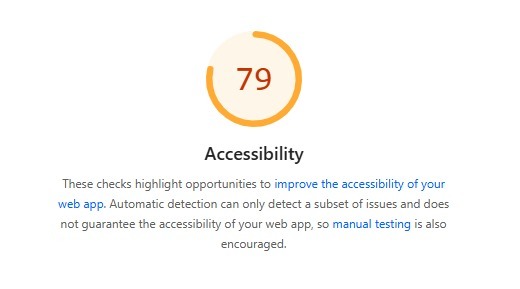
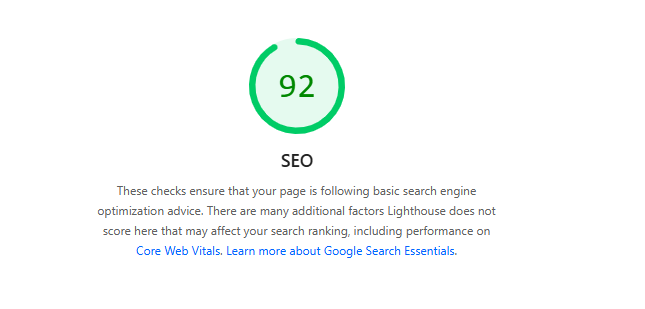
- The final section shows how ClinicSpots Digital Services supported SCIdent Implant and Dental Center with technical SEO and local visibility improvements.
In This Guide
- What is local SEO for dentists?
- Why local SEO matters for dental practices
- How patients search for dentists locally
- How Google’s Local Pack works
- Core components of dentist local SEO
- Local SEO strategy for dentists
- Review strategy and local content ideas
- Common local SEO mistakes
- Case study section with SCIdent screenshots
- FAQs and references
What Is Local SEO for Dentists?
Local SEO for dentists is the process of improving a dental practice’s visibility in location-based search results. It helps the clinic appear when people search for terms such as “dentist near me”, “dental implants in [city]”, “emergency dentist near me”, “root canal treatment near me” or “best dentist in [location]”.
The key difference between normal SEO and local SEO is search intent. General SEO may help a page rank for broad informational searches, but local SEO focuses on nearby patients who are looking for a real-world provider. For dentists, this distinction is important because patients usually prefer treatment close to home, work, school or a familiar neighbourhood.
Local SEO is also broader than website optimisation alone. It includes Google Business Profile optimisation, Google Maps rankings, patient reviews, local citations, location pages, technical SEO, mobile performance and consistent business information across the web. When these signals work together, Google can better understand where the clinic is located, which services it offers and whether it is trusted by nearby patients.
Why Local SEO Matters for Dental Practices
Dental care is a high-trust, location-based service. Patients are not only looking for a clinic; they are looking for reassurance. They want to know whether the clinic is nearby, whether other patients had a good experience, whether the dentist treats their specific problem and whether booking an appointment will be easy.
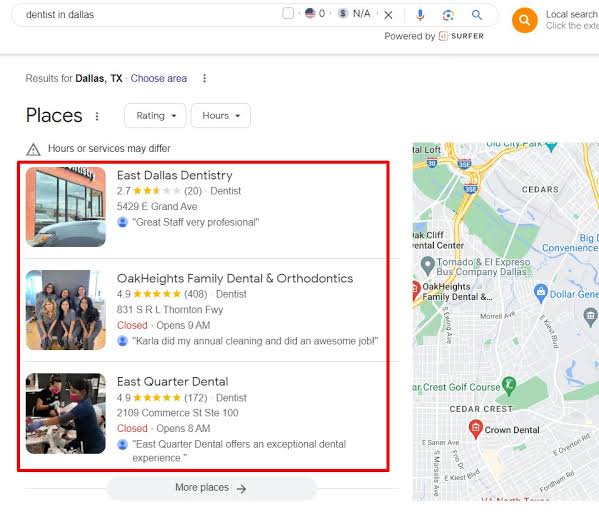
When someone searches for a dentist, Google often displays a local map pack before traditional website results. This section typically includes clinic names, ratings, reviews, addresses, opening hours, call buttons and direction links. For many patients, this is enough to shortlist a clinic before they even visit the website.
That is why dental practices that appear prominently on Google Maps often have a major advantage. They are visible at the exact point where patients are comparing options and deciding who to contact. A practice that does not appear in local search may lose enquiries to competitors that have stronger profiles, better reviews and clearer local signals.
Simple way to understand it: A dental clinic does not need traffic from everywhere. It needs visibility from patients nearby who are actively searching for dental care.
Local SEO also supports long-term growth. Paid ads can bring fast visibility, but the traffic usually stops when the campaign stops. Strong local rankings, consistent reviews and well-optimised treatment pages can continue generating patient enquiries over time.
For practices that want a complete patient acquisition plan beyond local SEO, ClinicSpots Digital Services also offers digital marketing for dentists, covering SEO, content, paid campaigns and healthcare-focused growth strategy.
How Patients Search for Dentists Locally
Patients do not all search the same way. Some searches are urgent, some are educational and some are comparative. A patient searching “emergency dentist near me” may call immediately. A patient searching “dental implants cost in Pune” may compare clinics for several days before booking a consultation. Someone searching “best cosmetic dentist near me” is likely reviewing ratings, photos, treatment pages and testimonials.
This is why a dental practice needs to be visible across multiple types of local search queries. The website should answer treatment-related questions, while the Google Business Profile should make it easy for patients to call, check timings or get directions.
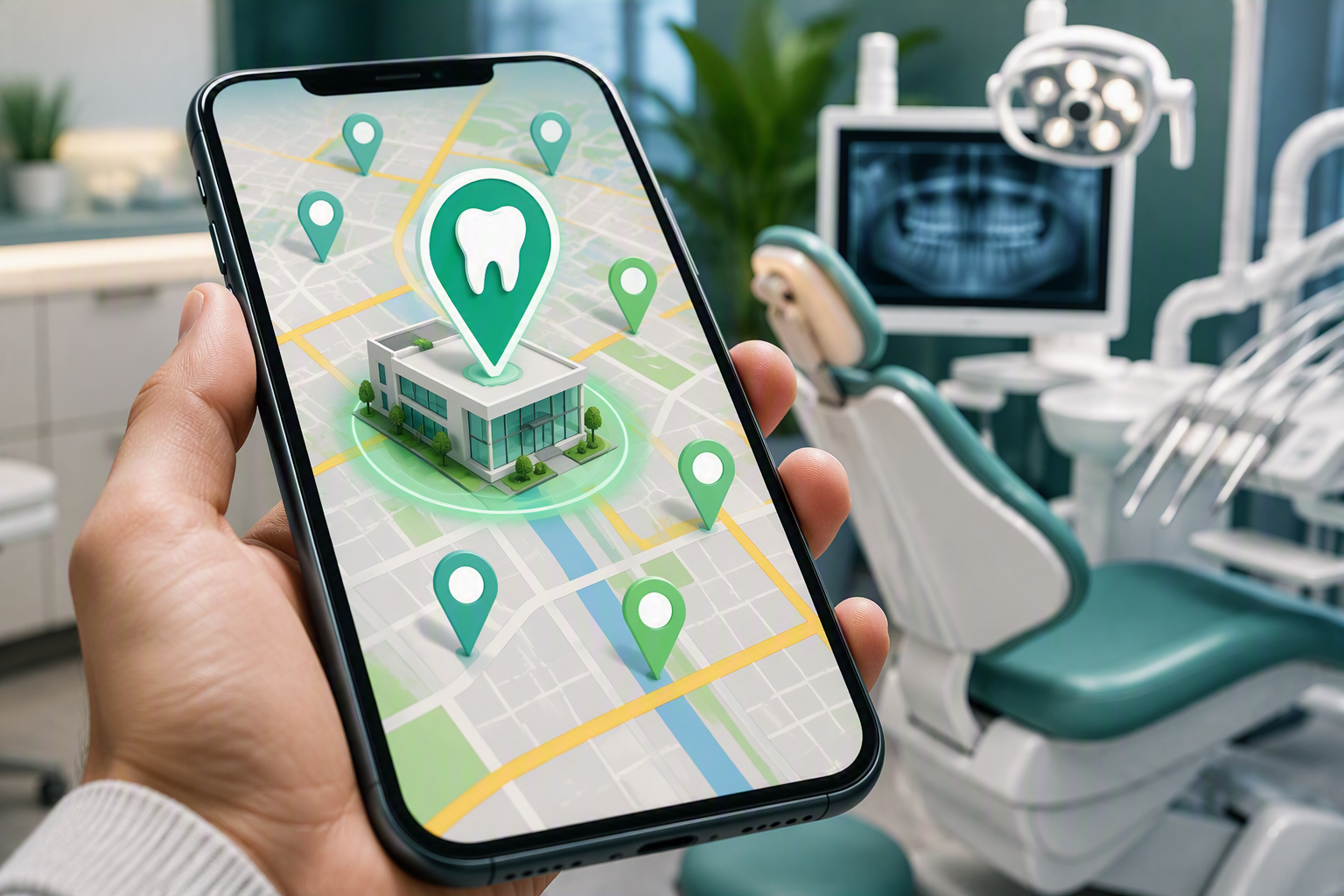
The strongest dental local SEO strategies usually target a combination of these search types:
- Near-me searches: dentist near me, emergency dentist near me, dental clinic near me
- Treatment searches: dental implants in [city], root canal treatment near me, Invisalign dentist near me
- Comparison searches: best dentist in [city], top dental clinic near me, best cosmetic dentist in [location]
- Informational searches: does a root canal hurt, how long do dental implants last, when to visit an emergency dentist
How Google’s Local Pack Works
The Google Local Pack is the map-based section that appears for many local searches. For a keyword like “dentist near me”, Google may show three dental practices with ratings, location details, call buttons and direction options. This section can be one of the strongest sources of phone calls and route requests for dental clinics.
Google broadly considers three factors for local rankings: relevance, distance and prominence. Relevance is about how well your profile and website match the search. Distance is about how close the clinic is to the searcher or searched location. Prominence is about how trusted and established the clinic appears online.
Prominence can be influenced by reviews, citations, backlinks, website quality, content depth and overall digital authority. A clinic with strong reviews, accurate listings, helpful content and a technically healthy website is easier for Google to understand and easier for patients to trust.
Core Components of Local SEO for Dentists
Local SEO works best when multiple signals support each other. A strong website alone is not enough if the Google Business Profile is incomplete. Similarly, a profile with good photos may still underperform if the website is slow, thin or missing important treatment pages.
Google Business Profile Optimisation
Your Google Business Profile is often the first interaction a potential patient has with your practice. It should include accurate clinic details, phone number, website URL, business hours, services, appointment links, photos and regular updates.
For dentists, service categories and treatment details are especially important. Patients should quickly understand whether the clinic offers dental implants, root canal treatment, teeth whitening, Invisalign, paediatric dentistry, emergency care or cosmetic dentistry.
Reviews and Reputation Management
Reviews are one of the most powerful trust signals in local dental search. A clinic with recent, detailed and positive reviews often feels safer to a new patient. Reviews also help users compare clinics quickly when several practices appear in the same map pack.
A review strategy should be consistent and ethical. Reception teams can send review links after appointments, and clinicians can politely explain that reviews help other patients make informed decisions. Responses are also important. A thoughtful response shows that the clinic is attentive and active.
Local Citations and NAP Consistency
NAP stands for name, address and phone number. Consistent NAP details across directories, healthcare platforms and local business listings help search engines verify that the clinic information is reliable.
If different platforms display different phone numbers, outdated addresses or inconsistent business names, those mismatches can weaken trust. Local citation clean-up is therefore a basic but important part of dentist local SEO.
Location-Specific Treatment Pages
Dental practices serving specific cities or neighbourhoods should create location-relevant pages. These pages should not be copied templates with only the city name changed. They should include original local content, treatment information, contact details, maps, nearby landmarks where useful and relevant FAQs.
For example, a dental implant page should explain the treatment, who may need it, cost factors, recovery expectations and why patients in that location may choose the clinic. This makes the page more useful for readers and more relevant for local search engines.
Technical SEO and Mobile Experience
Many local dental searches happen on mobile devices. A slow website or confusing booking form can reduce conversions even if the clinic ranks well. Technical SEO supports both visibility and user experience.
Important technical factors include website speed, mobile responsiveness, HTTPS, crawlability, Core Web Vitals, clean internal links, compressed images and proper schema markup. These elements help search engines and patients use the site more effectively.
Local SEO Strategy for Dentists: How to Rank Higher on Google
Many dentists ask the same question: how do we rank higher on Google Maps and local search? The answer is not one tactic. It is a structured process that improves the clinic’s local relevance, authority and trust signals over time.
- Audit current local visibility: Review Google Business Profile, rankings, reviews, citations, website health and technical SEO.
- Identify local keywords: Map treatment and location keywords such as “dental implants in [city]”, “emergency dentist near me” and “best dentist in [location]”.
- Optimise the Google Business Profile: Add services, photos, appointment links, business hours and regular posts.
- Create dedicated treatment pages: Build helpful pages for dental implants, root canal treatment, teeth whitening, Invisalign and emergency dentistry.
- Improve review generation: Build a process to encourage satisfied patients to share feedback.
- Fix citations: Ensure consistent clinic details across directories and healthcare listings.
- Publish local content: Create blogs and FAQs that answer real patient questions.
- Track outcomes: Monitor calls, appointment forms, Google Business Profile actions, organic clicks and local rankings.
If your clinic needs broader SEO support beyond local search, the SEO services in India page explains how search engine optimisation supports long-term visibility and lead generation.
Local Content Ideas for Dental Practices
Local content helps dental practices rank for informational and treatment-related queries. It also builds confidence before the patient contacts the clinic. The best content answers questions patients already have and connects naturally to service pages.
Useful local content topics include:
- How to choose the right dentist in your city
- When should you visit an emergency dentist?
- Dental implants in [city]: what patients should know
- Root canal treatment near me: how to compare clinics
- What to check before booking a cosmetic dentist
- How Google reviews help patients choose a dental clinic
These articles should be written in patient-friendly language. Avoid keyword stuffing and overly technical copy. The goal is to educate, build trust and guide the reader towards the right treatment page or appointment option.
How Dentists Should Measure Local SEO Success
Local SEO should not be measured only by keyword rankings. Rankings are useful, but they do not show the full business impact. Dentists should also track how local visibility translates into calls, appointment forms, direction requests and actual enquiries.
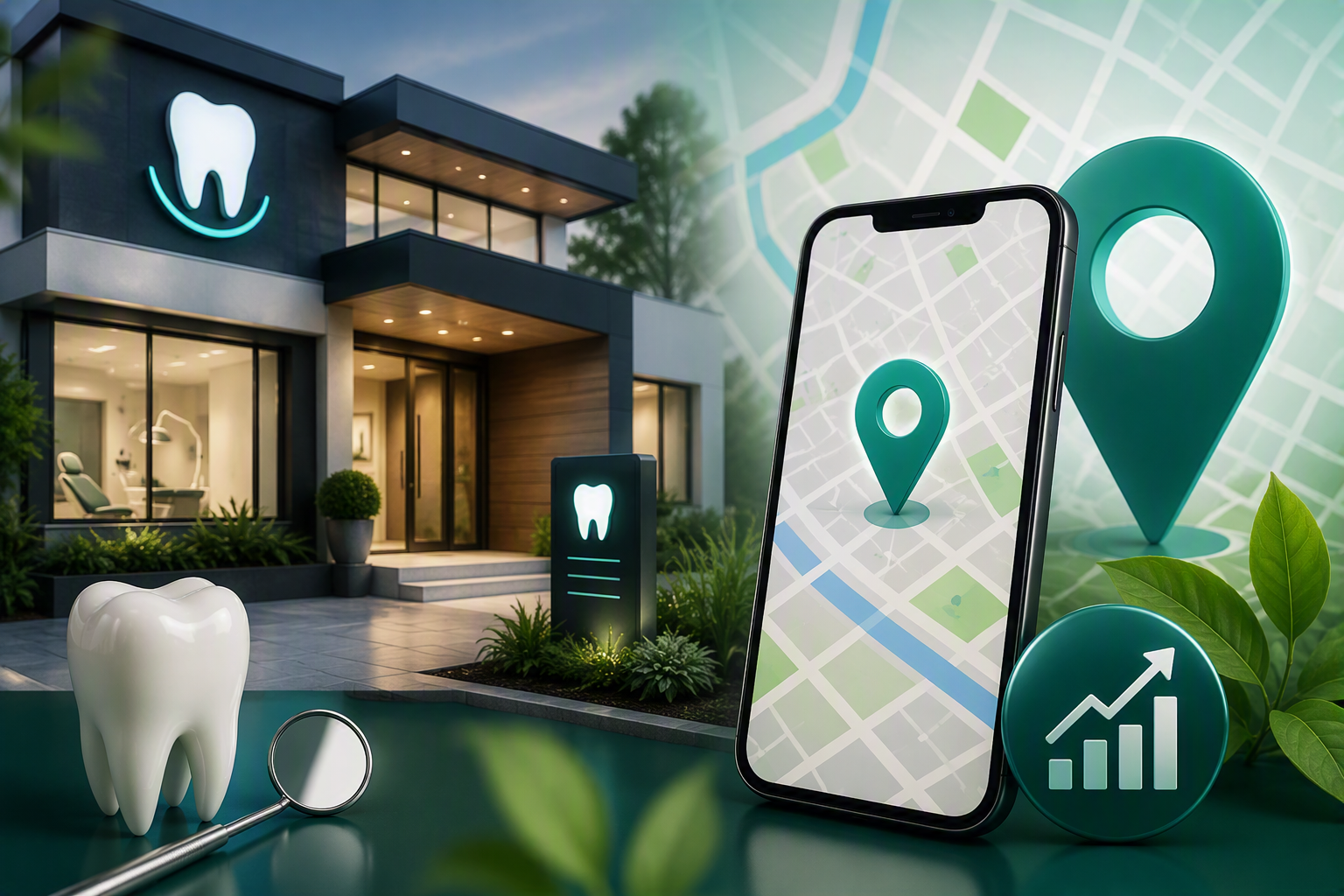
Useful local SEO metrics include Google Maps visibility, Google Business Profile calls, direction requests, website clicks, organic clicks from Google Search Console, appointment form submissions, review growth, treatment page performance and improvements in website speed or mobile usability.
When these numbers improve together, the clinic can see whether SEO is helping attract real patients rather than only increasing traffic.
Schema Markup for Local Dental SEO
Schema markup is structured data that helps search engines understand a page more clearly. For dental websites, schema can provide additional context about the clinic, services, location, FAQs, articles, breadcrumbs and organisation details.
Useful schema types may include Dentist, DentalClinic, LocalBusiness, FAQPage, BlogPosting, BreadcrumbList, Organisation and WebPage schema. While schema does not guarantee rankings, it helps search engines interpret the website more accurately.
Common Local SEO Mistakes Dentists Should Avoid
Many dental practices invest in marketing but miss important local SEO basics. These mistakes can reduce visibility, weaken trust and prevent the clinic from converting nearby searchers into patients.
- Incomplete Google Business Profile: Missing photos, outdated hours or weak service details can make the clinic appear inactive.
- Inconsistent NAP information: Different phone numbers or addresses across directories can create confusion.
- Thin location pages: Pages with copied or generic content often struggle in competitive areas.
- Poor mobile experience: Slow pages and difficult booking forms can reduce appointment enquiries.
- Ignoring reviews: Reviews influence both rankings and patient trust.
- Tracking only rankings: Calls, forms and direction requests matter more than rankings alone.
How Long Does Local SEO Take for Dentists?
Local SEO is a long-term growth channel. Some improvements can be visible quickly, especially if the clinic had incomplete listings or obvious technical problems. However, stronger rankings and steady appointment enquiries usually require consistent work over several months.
In the first phase, most practices should focus on audits, Google Business Profile improvements, technical fixes, citation clean-up and keyword mapping. The next phase usually involves treatment page optimisation, content development, reviews and local authority building. Over time, these signals can improve visibility across Google Search and Google Maps.
How ClinicSpots Digital Services Helped SCIdent Implant and Dental Center Attract More Local Patients
ClinicSpots Digital Services’ SCIdent Implant and Dental Center case study describes a dental clinic project involving domain recovery, technical SEO improvements, service page optimisation, blog optimisation, Google Business Profile posting, citation work and local visibility improvements.
%
Organic growth
High-quality backlinks
Results period
The case study also mentions 404 error removal, speed optimisation for mobile and desktop, indexing fixes, Core Web Vitals optimisation, compressed images, ALT tags, enhanced CTAs, smoother navigation and a streamlined booking form.
%
Lead form increase
Mobile speed score improvement
Bounce rate reduction
Why Dentists Choose ClinicSpots Digital Services
ClinicSpots Digital Services works exclusively with healthcare brands, including doctors, clinics, hospitals and dental practices. This healthcare focus matters because dental SEO is not the same as promoting a general business. It requires patient-first content, local trust-building, medically responsible messaging and a strong understanding of how people search for care.
For dentists, ClinicSpots Digital Services focuses on improving visibility where it matters most: Google Maps, local organic search, treatment pages, reviews, technical SEO and patient enquiry pathways. The goal is not only to rank higher, but to turn local visibility into qualified calls and bookings.
Want more local patients from Google?
If your dental practice is not appearing for high-intent local searches, ClinicSpots Digital Services can help you build a local SEO strategy focused on visibility, trust and appointment growth.
FAQs
What is local SEO for dentists?
Local SEO for dentists is the process of improving a dental clinic’s visibility in local search results and Google Maps so nearby patients can find and contact the practice.
Why is local SEO important for dental clinics?
Local SEO is important because most dental patients search for providers near their location. Strong local visibility can increase calls, direction requests, website visits and appointment enquiries.
How can dentists rank higher on Google Maps?
Dentists can improve Google Maps visibility by optimising Google Business Profile, collecting reviews, keeping business details consistent, building citations, publishing local content and improving website quality.
How long does local SEO take for dentists?
Local SEO usually takes several months of consistent optimisation. The timeline depends on competition, website condition, review profile, citations and technical SEO health.
Do dentists need both local SEO and paid ads?
Many clinics benefit from both. Local SEO builds long-term visibility, while paid ads can support immediate visibility for urgent campaigns or competitive treatments.