

Social media has become part of the way patients discover health information, learn about treatment options and become familiar with healthcare professionals. For doctors, this creates an opportunity to explain complex topics clearly, answer common questions and maintain a visible professional presence beyond the consultation room.
Effective social media marketing for doctors is not about generic health quotes or pushing appointments in every caption.
It is about accurate, useful and accessible communication. When clinically reviewed content is published consistently, social media can support patient education, professional visibility, website discovery and long-term trust.
This guide explains how doctors can choose platforms, plan content, manage comments, protect patient privacy and measure meaningful outcomes without making the practice sound overly promotional. It also shows how social media management for doctors can stay practical, clinically reviewed and consistent.
Quick Synopsis
Use social media primarily for patient education, professional visibility and trust building.
Choose platforms according to audience behaviour, specialty and available resources.
Professional authority
Show expertise through doctor-led insights and clear sourcing.
Create a medical-review and consent process before publishing.
Track profile visits, website clicks, calls and enquiries alongside reach and engagement.
Why Social Media Marketing Matters for Doctors
A patient may first encounter a doctor through a short video, carousel, professional update or clinic page. That interaction may not immediately create an appointment, but it can shape whether the patient understands the doctor’s area of work and chooses to learn more.
Social media also allows practices to address repeated questions at scale. A useful post can explain what happens during a consultation, when a symptom deserves assessment, how to prepare for a procedure or why a common health myth is misleading. This does not replace individual medical advice, but it can make the path to appropriate care clearer.
The value is strongest when social content connects with the rest of the digital presence. A post can lead to a detailed article, a video can answer an introductory question, and a complete profile can provide accurate contact and location information.
Benefits of Social Media Marketing for Doctors
Increased Professional Visibility
Regular content helps a doctor remain visible to local audiences, former patients and professional networks. A consistent profile also helps people verify practice information after a referral or search.
Patient Education at Scale
Carousels, videos and FAQs can explain common symptoms, screening, consultation preparation and procedure basics in an accessible format.
Trust Before the First Appointment
Clear explanations and transparent practice information allow prospective patients to understand how the practice communicates before making contact.
Support for Website Visibility
Posts can guide readers to service pages, in-depth blogs and appointment information. Search and social channels serve different purposes, but can support the same patient journey.
Stronger Community Communication
Clinic updates, seasonal guidance and awareness content help practices stay connected without turning every post into an advertisement.
Best Social Media Platforms for Doctors
Instagram marketing for doctors works well for educational carousels, short videos, question-led posts, clinic visuals and myth clarification. Captions should add medical context, especially in visual specialties such as dermatology and cosmetic surgery.
Facebook marketing for doctors is useful for local communication, clinic updates, events, website links and longer educational posts. Where practices use Facebook advertising for doctors, the message and landing page should remain accurate, privacy-conscious and relevant to the service being promoted.
Useful for professional updates, public-health commentary, conferences, publications and referral-network visibility.
YouTube
Useful for condition overviews, procedure explainers, recovery guidance and detailed FAQs. Each video should focus on one clear, clinically reviewed topic.
Expert Insight
According to the American Medical Association, social media can help physicians maintain a professional presence and widely share public-health messages, but that opportunity should be balanced with professional standards. View the AMA guidance on physician social media
12 Social Media Marketing Strategies for Doctors
1. Define the Audience
Effective social media marketing strategies for doctors begin by defining the audience by specialty, location, life stage and common information needs before planning content.
2. Create Content Pillars
Use four to six themes such as prevention, warning signs, consultation preparation, procedure education, recovery, myths and clinic updates.
3. Prioritise Education
Answer genuine questions and avoid dramatic claims, guarantees, fear-based language and excessive appointment promotion.
4. Turn FAQs Into Posts
Ask clinical and reception teams which questions recur, then convert them into reviewed videos, carousels and single-image posts.
5. Use a Simple Video Structure
Start with one question, give a concise answer, add context or caution, and finish with a responsible next step.
6. Complete Every Profile
Use the correct practice name, specialty, website, address and contact details across platforms.
7. Use a Sustainable Schedule
A stable schedule is more valuable than a burst of daily posting followed by inactivity.
8. Repurpose Strong Content
Turn one detailed blog into a carousel, video, FAQ and professional post while adapting each version to the platform.
9. Add Local Context Naturally
Mention the city or service area when it genuinely helps people understand availability or relevance.
10. Create an Approval Workflow
Assign responsibility for topic selection, writing, clinical review, consent checking, design and final publishing.
11. Moderate Professionally
Create response rules for appointments, emergencies, complaints and personal medical questions. Do not diagnose publicly.
12. Measure Meaningful Actions
Review saves, shares, watch time, profile visits, website clicks, calls and appointment enquiries, not follower count alone.
Content Ideas for Doctors
Educational Content
- Symptoms that should not be ignored
- Prevention and screening basics
- Consultation and procedure preparation
- Recovery and follow-up guidance
- Medication-safety reminders
- Seasonal health information
Question-Led Content
- What happens during the first consultation?
- When should a recurring symptom be assessed?
- What records should a patient bring?
- What is the difference between commonly confused conditions?
- What should a patient expect before and after a procedure?
Professional and Practice Content
- Clinic timings and service updates
- Conference participation and publications
- Public-health initiatives
- Team introductions
- Process explainers that do not expose patient information
Ethics, Privacy and Medical Accuracy
Healthcare communication carries more responsibility than ordinary brand content. Doctors and clinics should review applicable professional-conduct requirements, state medical council expectations, privacy obligations and platform policies. Patient stories, testimonials, treatment results and identifiable images require particular care and an appropriate consent process.
Posts should not be presented as a substitute for an individual consultation. Claims should be evidence-based, clinically reviewed and qualified where necessary. Social channels should also state or follow a process for urgent messages because they are not emergency-care channels.
YouTube’s medical misinformation policy states that defined content posing a serious risk of egregious harm by contradicting local health-authority guidance is not allowed. Clinical review and responsible sourcing are therefore essential for health videos.
Expert Insight
The American Medical Association advises physicians to protect patient privacy and confidentiality, maintain appropriate professional boundaries, disclose relevant financial interests, and ensure that medical information shared online is useful and accurate based on professional judgement. View the AMA Code of Medical Ethics guidance
Simple Monthly Content Plan
A practical month can use eight to twelve reviewed posts rather than daily filler content:
- Two educational carousels
- Two short FAQ videos
- One myth-versus-fact post
- One consultation or procedure-preparation post
- One clinic or professional update
- One awareness or community post
- Optional stories for reminders and FAQs
The exact volume should reflect the specialty, availability of approved material and the team’s review capacity.
Common Mistakes to Avoid
- Generic content that does not reflect the specialty.
- Fear-based hooks, guaranteed outcomes or unsupported superiority claims.
- Patient images or details without an appropriate basis and documented consent.
- Personalised diagnosis or treatment instructions in comments.
- Medical content published without clinical review.
- The same post used unchanged on every platform.
- Outdated links, timings or contact information.
- Success measured only by likes and follower count.
How to Measure Performance
- Reach and impressions
- Saves, shares and meaningful comments
- Video watch time and completion
- Profile visits and website clicks
- Calls and appointment enquiries where privacy-compliant tracking is available
- Recurring questions and staff feedback
- Publishing consistency and approval turnaround
A smaller local audience that saves accurate content, visits the website and takes an appropriate next step may be more valuable than broad unrelated reach.
Why Choose ClinicSpots Digital Services?
ClinicSpots Digital Services supports healthcare organisations with connected digital growth, including healthcare content, social media planning, creative production, website experience, SEO and performance reporting. For larger groups, physician social media management can also coordinate multiple profiles while preserving specialty-specific messaging. The doctor or clinic provides verified medical inputs, current practice information, approved photos or videos and final clinical approval.
This division of responsibility helps content remain authentic and accurate while reducing the operational work required to maintain a consistent online presence. The goal is a useful content system that reflects the specialty, answers real patient questions and supports the wider digital presence.
Case Study: How an Integrated Digital Strategy Supported Dr Harsh Sheth’s Online Growth
The ClinicSpots Digital Services case study describes a practice with limited visibility for high-intent bariatric and weight-loss surgery keywords, an outdated website, an incomplete Google Business Profile and no structured programme for regular blogs, webinars, public relations or educational content.
ClinicSpots Digital Services implemented a broader plan including mobile-first website optimisation, technical SEO, keyword research, service and blog content, Google Business Profile activity, citations, syndication, link building, public relations and social media engagement.

The Social Media Component
The published case study states that the social media plan included eight posts a month across Facebook, Instagram and LinkedIn. Topics included bariatric surgery, procedure explainers and recovery tips. Myth-busting reels and informational carousels were also used. The case study reports a fivefold increase in engagement within 90 days.
Social media was one part of an integrated programme. This matters because attention generated on social platforms needs a useful website, accurate practice information and a clear next step.
Broader Results Reported in the Case Study
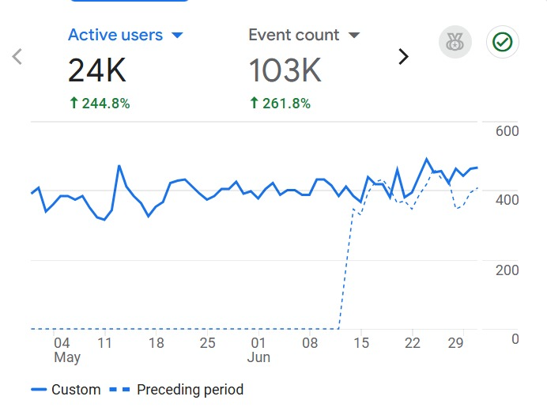
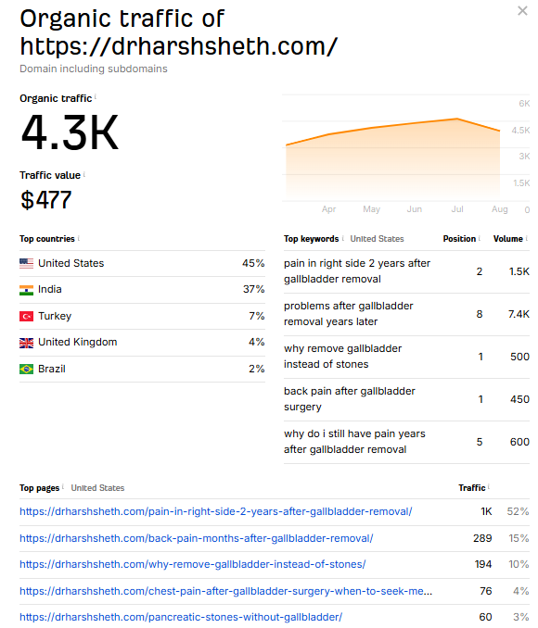
After six months, the case study reports that Google Search Console clicks increased from 13.90K to 14.80K, a 6.47% increase. Impressions increased from 673K to 1.26M, an 87.3% increase. Google Business Profile calls increased by 112.5%.
The case study also reports a Domain Rating of 22, 309 backlinks with 75% dofollow, and 220 linking websites with 87% dofollow. These are results of the broader digital strategy and should not be attributed to social media alone.
A Practical Social Media Workflow
Step 1: Collect Real Questions
A clear doctor social media management workflow starts by recording recurring general questions without patient-identifying information.
Step 2: Plan Topics
Balance education, FAQs, professional updates and practice information.
Step 3: Draft
Prepare post copy, caption, creative brief and a responsible call to action.
Step 4: Review Clinically
Check accuracy, wording, context and claims.
Step 5: Check Consent and Privacy
Confirm patient-related material is authorised and suitable.
Step 6: Adapt by Platform
Adjust length, format and calls to action for each channel.
Step 7: Publish and Moderate
Follow an agreed process for questions, complaints and urgent messages.
Step 8: Review Performance
Use audience behaviour and staff feedback to improve the next cycle.
Frequently Asked Questions
What is social media marketing for healthcare?
It is the strategic use of social platforms to educate patients, build trust, improve visibility and support appropriate engagement.
Which platform is best for healthcare marketing?
Instagram and YouTube suit visual education, Facebook supports communities, LinkedIn supports professional authority and Google Business Profile supports local visibility.
Can social media support patient appointments?
It can support appointments by improving awareness, trust, website visits and qualified enquiries. Results depend on content, audience, targeting and conversion pathways.
How often should healthcare providers post?
The right frequency depends on available resources. Consistency and quality matter more than unsustainable volume.
Is social media suitable for small clinics?
Yes. Social media marketing for clinics can support local engagement, treatment education, doctor visibility and patient FAQs.
How should doctors use social media professionally?
Doctors should focus on general education, clear sourcing, privacy, appropriate boundaries and accurate communication rather than personalised medical advice.
How is AI used in healthcare social media?
AI can assist planning, repurposing and analysis, but qualified human review remains essential.
Conclusion
Social media marketing for doctors works best when medical accuracy, useful education and consistent communication come before promotion. A focused strategy can help doctors explain complex topics, improve professional visibility and guide people towards reliable information and appropriate care.
Start with a small number of content pillars, a realistic schedule and a clear approval workflow. Measure meaningful actions rather than follower count alone, and connect social media with an accurate website, local search presence and clear patient pathways.
References
- ClinicSpots Digital Services: Dr Harsh Sheth case study
- YouTube: Marketing Solutions Built For Doctors | ClinicSpots Digital Services
- National Medical Commission: Code of Medical Ethics Regulations, 2002
- National Medical Commission: Ethics and Medical Registration Board
- YouTube Help: Medical misinformation policy
- American Medical Association: Social media guidance for physicians
- AMA Code of Medical Ethics: Professionalism in the use of social media